By Sybilla Fern Ashworth. Publisher: FreeUnitedChain Game Detail Journal.
A game card gives you a quick impression: diamonds, clovers, candy and a promise of lively features. The next screen can introduce a different name. On FreeUnitedChain, Eternal Diamonds leads to a page titled Timeless Diamonds, Lucky Clover Strike leads to Clovers Strike, and Honey Teddy x1000 leads to Sugar Teddy. Those differences deserve a pause before you connect every sentence on a card to the game you opened.
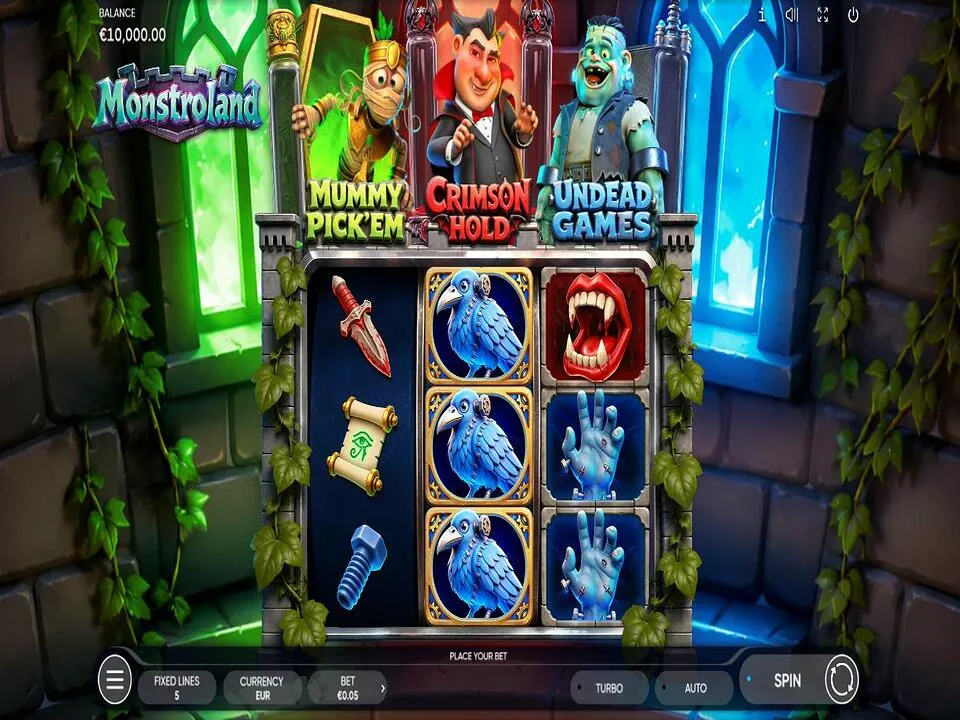
Check the name first
Begin with the title displayed inside the loaded game, then look for its information or help control. A page heading belongs to the website, while the embedded title belongs to the game screen. Neither a similar colour scheme nor a familiar symbol proves that two versions share every rule. If the name or help text is unclear, describe the uncertainty rather than filling the gap with a guess.
Three places to compare
| Place | Useful detail | Question left open |
|---|---|---|
| Home card | Theme and feature summary | Does this describe the loaded version? |
| Page heading | The website’s game label | Does the game use the same name? |
| Game help | Rules shown within the game | Which settings affect this explanation? |
The original descriptions remain useful starting points. Read them as introductions, then test your understanding against the visible instructions. This approach to social casino rules avoids turning a naming difference into a claim about a game’s behaviour. It also gives you a precise question to ask if the card and the help panel seem to disagree.
Turn feature names into questions
Hold and Win, Collect Feature and Extra Bonus sound specific, yet a name alone leaves important details unstated. Which symbols begin the feature? Does a displayed value refer to the current round setting or another unit? When does the feature finish? Read the whole explanation, including any conditions beneath a heading, before treating a short promotional phrase as a complete instruction.
- Open the information panel before starting a new round.
- Find the feature named on the card and read its conditions.
- Check the unit used for symbol values and displayed results.
- Close the panel only when the controls are clear.
A cascade description raises another set of questions. Symbols may move after a result, but the screen must explain how that movement relates to the round. An Extra Bet label also needs its own reading: it is a setting, not an instruction to select it. Keep the existing setting while you learn where the explanation lives, and make any later change deliberately.
Details worth writing down
- The exact game title shown inside the frame.
- The wording of a feature condition you found confusing.
- The current setting and the unit beside the balance.
- Whether your note comes from help text or one observed round.
Keep useful notes
One observed round can illustrate a rule, but it cannot explain how often a feature appears. A bright animation is also separate from the change in virtual credits. Avoid turning a memorable result into a general prediction. In 2026, the useful habit is still simple: record what the screen actually says, distinguish it from what you saw once, and leave unanswered questions open.
When you recommend a game, include the title you saw and the feature you enjoyed rather than promising a similar outcome. Our article on sharing games without shared scores develops that idea. If the frame changes after a break, use the checks in returning to an embedded game before continuing.
Author’s opinion
I prefer a small, accurate explanation to a confident feature summary that skips its conditions. Social casino rules become easier to discuss when we name the screen we read and admit what remains uncertain. For me, curiosity is the best reason to open a help panel: understanding one detail can be more satisfying than rushing into another round.